The majority of us think a salad is a diet-friendly meal, and while its true salads are naturally low in calories and high in nutrition, salad dressings can make a salad very unhealthy depending on the type used.
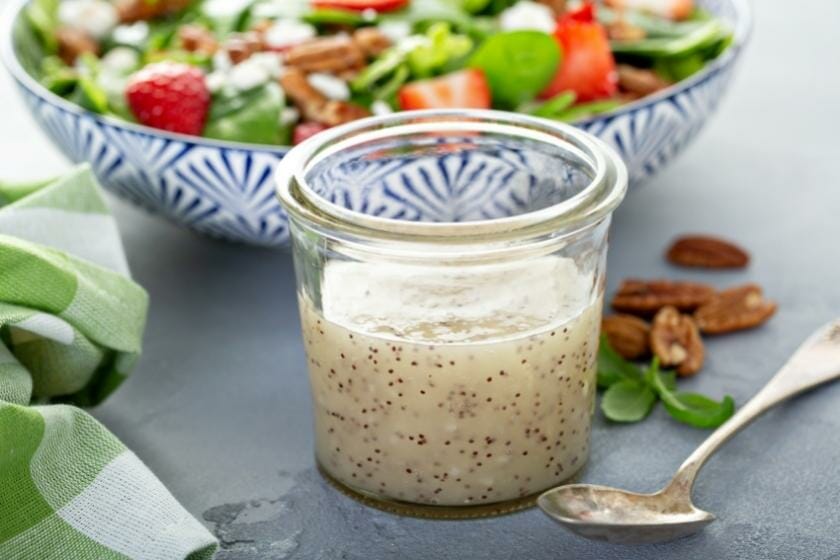
Salad dressing has varying syns according to the brand and ingredients, on average, you can expect them to have between 0.5 syns and 3 syns for a spoon, meaning they should be consumed within moderation to avoid using too many extra syns.
We've put together an informational syn guide below which will discuss why salad dressing can be high in syns, syn values of salad dressing as well as three different recipes for making your own salad dressing at home to save syns.
Salad dressing can pack a lot of syns into your food if you are not careful, with some having up to 3 syns a tablespoon, just two could cost you nearly half of your daily syn allowance for the day.
Salad dressings tend to either have a high sugar content or fat content from the oil, some dressings like Caesar can have up to 3 syns a tablespoon and up to 6g of fat due to the cheese, milk powder and oil.
The best way to choose a low-syn salad dressing is by picking options which have a spray in order to use a little amount rather than simply pouring it on, you can also often find reduced-fat alternatives of your favourite salad dressings to save syns.
Salad dressing comes with different syns according to the type you buy and its fat content, to help you compare between them, we've listed some popular brands and their syn values down below.
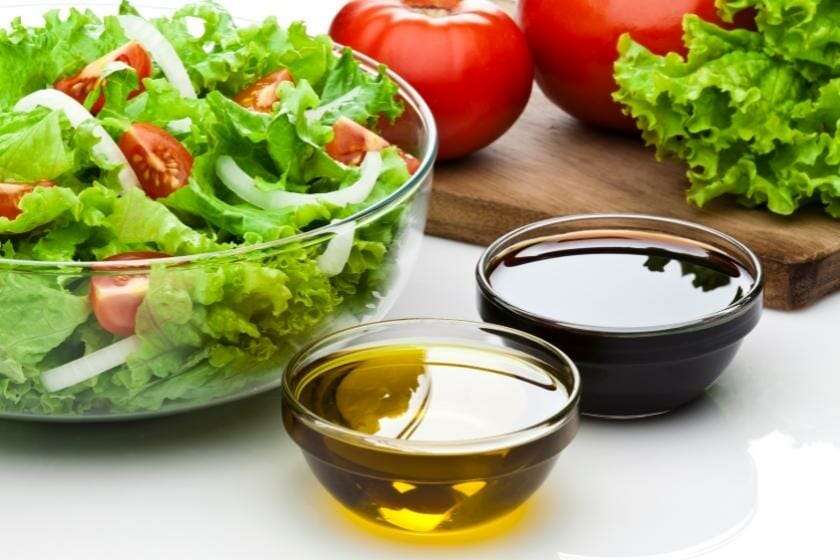
One way to reduce the syns in your salad dressing is by making your own at home, down below we've put together three syn free and low syn recipes to give you some flavour inspiration for your salads.

Overall, salad dressing has anything between 0.5 syns to 3 syns depending on the kind of dressing that you choose and the ingredients. In order to save syns we would suggest using reduced-fat spray dressings or making your own syn-free versions at home to keep your salads slimming world friendly.
Syn values are calculated using a formula based on calories, saturated fat and sugar content per serving. They’re not the same as calories — a product can be low in calories but higher in syns if it’s high in sugar or fat. Always check the official Slimming World app for the most accurate and up-to-date syn values.
Yes. When manufacturers reformulate their products, the syn value can go up or down. This is why we recommend double-checking with the Slimming World app or your consultant, especially if a product’s packaging has changed recently.
Most Slimming World members work with 5 to 15 syns per day. Your consultant will advise on the right amount for you. The key is to use your syns on the things you enjoy most — whether that’s a chocolate bar, a glass of wine, or a packet of crisps.

Related Articles
